Herndon will be cloudy on Sunday, near 52°F, then sunny, with cold nights near 30°F on Tuesday and Wednesday. Cold nights are a good time to learn about one part that helps protect a tank water heater from corrosion: its anode rod.
What an Anode Rod Does
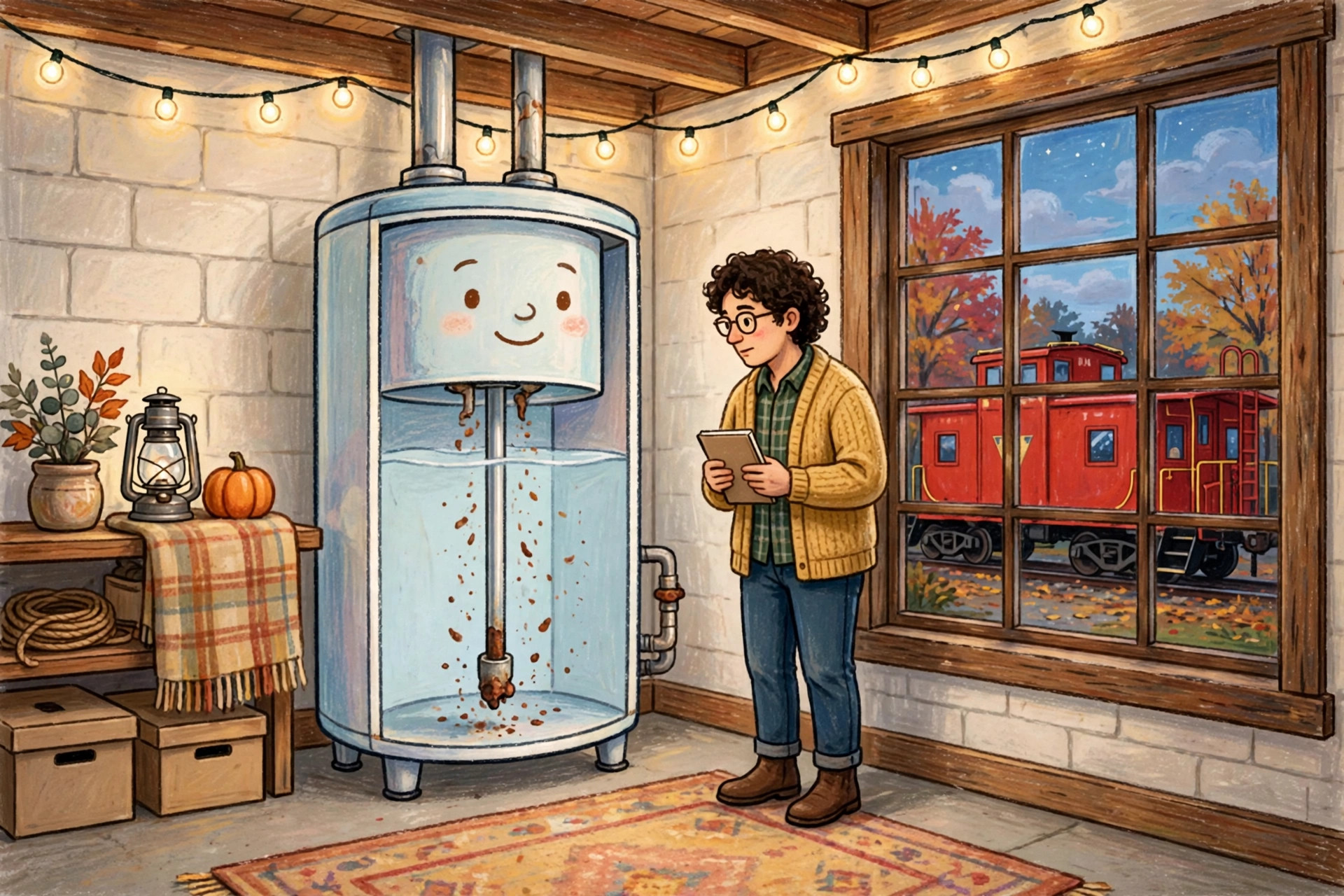
An anode rod is a long metal rod inside a tank-style water heater. It helps protect the steel tank through sacrificial corrosion: it is designed to corrode instead of the tank’s steel, so it slowly wears away while the tank is protected. When it is used up, the tank loses that protection and can start to rust. How quickly it wears depends on water chemistry, temperature, and how the heater runs.
A Professional Job, Not a Look-Only Check
This guide is for tank-style heaters only. Tankless models do not use the same rod. A rod sits in a fitting on the heater, often at the top. Removing one can expose you to hot water and pressurized equipment, so checking or replacing one is not a look-only job. Leave it to a professional.
Simple Steps You Can Take This Week
Here are simple steps you can take this week:
- Find the heater’s details. Read the maker’s label on the tank and write down the brand, model, and age if shown. Do not remove any covers.
- Check your service records. Note whether the rod has ever been inspected or replaced. There is no single schedule for every heater: the maker’s schedule for your model governs, and some heaters use powered anodes, with different needs.
- Watch for warning signs, but do not assume they name the cause. Rust-colored water, a rotten-egg smell from the hot water, or popping and rumbling sounds can point to a problem, but none confirms the rod is worn. A rotten-egg smell in the air, not just in the water, may be a gas leak: leave at once and call 911 from outside.
- Do not try to remove the rod yourself. Do not loosen any fitting on the tank, and do not drain the heater. A professional can inspect it and, if needed, fit a compatible rod to the maker’s specifications.
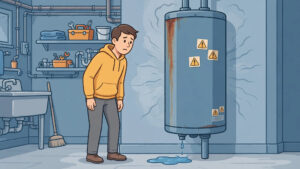
- Look around the tank. Note any water, drips, or rust on the outside. Water there can also come from connections or condensation, so do not touch electrical parts or gas connections.
When to Arrange a Check
A worn rod does not by itself mean the tank has failed, and a new rod cannot fix a tank that is already leaking. If hot water runs out sooner than it used to, the water looks rusty again and again, or the heater leaks or makes new sounds, arrange a check promptly.
911Air-Care serves Herndon and Northern Virginia, Monday to Saturday from 7 AM to 5 PM, Sunday closed, with 24/7 emergency help. Contact us to ask about a water heater check and whether an anode rod inspection fits your model.