Carbon monoxide is called the silent killer for a reason: it has no smell, no color, and no taste. Every fall, when furnaces and fireplaces start running again across Northern Virginia, the risk quietly rises. The good news is that a few simple checks each heating season protect your family.
1. Install Alarms the Right Way
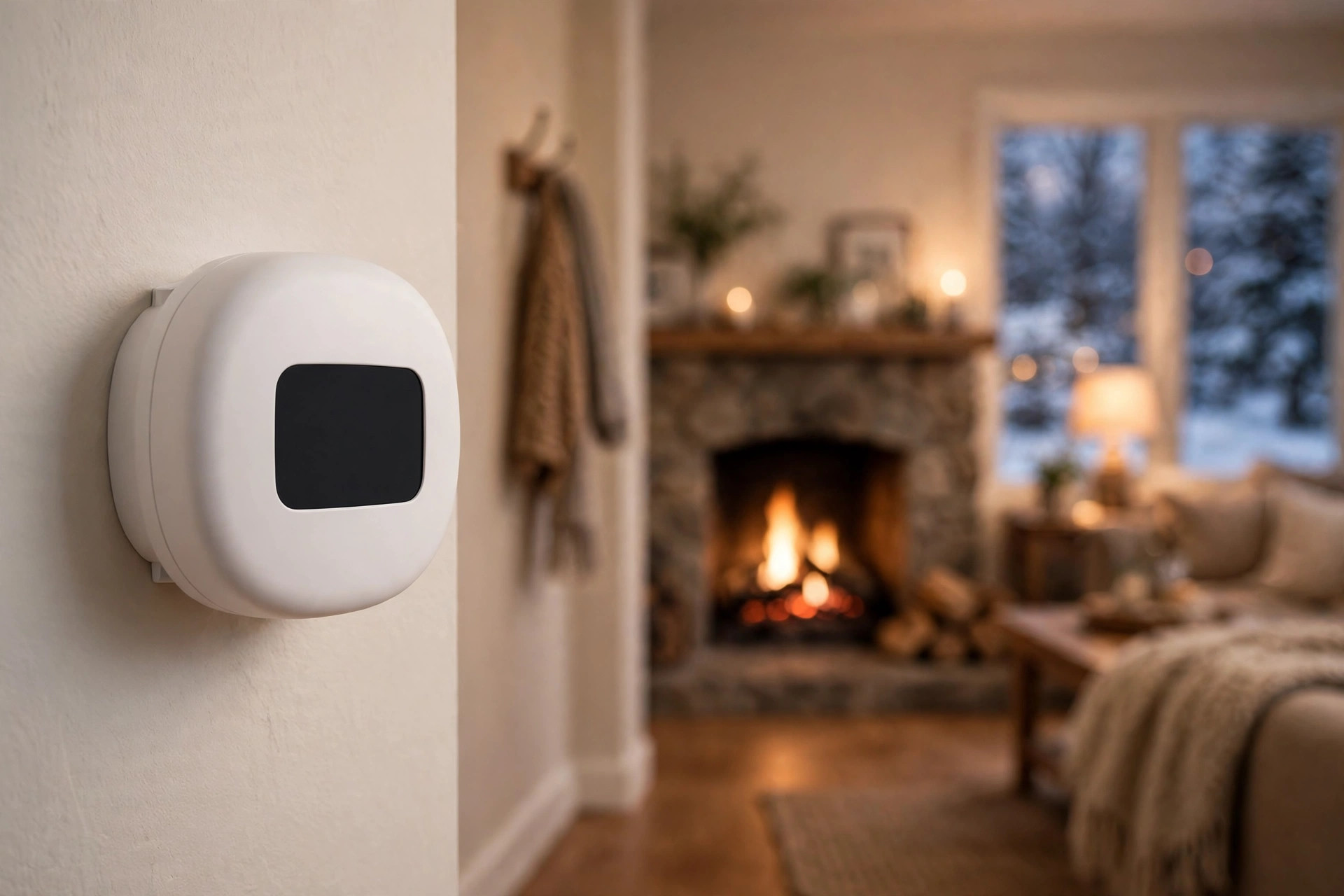
Every home with a gas furnace, fireplace, or attached garage should have a working carbon monoxide alarm on each level and outside each sleeping area, so it can wake you at night. Choose alarms certified to the UL 2034 standard, and follow the manufacturer’s instructions for exact placement. If your home does not have alarms yet, this is the week to fix that.
2. Test Monthly and Replace on Schedule
Test your CO alarms monthly, following the manufacturer’s instructions, and replace each unit when its stated service life ends — service life depends on the model, so check the date or label on yours. Replace batteries as directed, and never ignore an end-of-life warning. Remember: the test button confirms the alarm can sound, but it does not prove the sensor still measures carbon monoxide accurately.
3. Recognize the Warning Signs
Carbon monoxide poisoning can cause headache, dizziness, weakness, nausea, vomiting, chest pain, or confusion. The symptoms may resemble the flu, and not everyone experiences the same warning signs. Do not wait for symptoms to pass, or for more than one person to feel ill. If you suspect CO exposure, get everyone outside into fresh air immediately and call 911. Do not go back inside until emergency responders say it is safe.
4. Keep Vents and Flues Clear
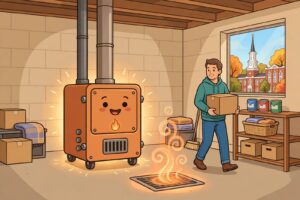
Your furnace and water heater need their exhaust vents open to the outside. Check them regularly, not just after storms: leaves, debris, nests, and snow can all block an outside vent. Never block a vent with storage, never use a gas oven to heat the kitchen, and never run a generator, grill, or car inside a garage — even with the door open.
5. Get the Furnace Checked Every Year
A cracked heat exchanger is one classic source of carbon monoxide, but it is not the only one — incomplete combustion and venting problems can raise the risk too. During an annual furnace inspection, a qualified HVAC technician can check combustion performance, inspect the venting, and look for signs of equipment problems that could increase carbon monoxide risk. If your furnace is already acting up, book a furnace repair visit rather than waiting, and keep the system on a yearly maintenance plan so the checks happen on schedule.
If your detector alarm sounds: get everyone outside first, then call 911 from outside the house. Do not go back in to open windows or look for the source.
911Air-Care provides heating service, furnace repair, and annual tune-ups across Northern Virginia — Herndon, Reston, Fairfax, Vienna, Arlington, Alexandria, and beyond. Call or text us at (571) 910-9901, or text us at (571) 609-3671. Regular office hours are Monday–Saturday, 7:00 AM–5:00 PM, and a live person answers our phone 24/7 for emergencies.
Learn more from official sources: U.S. Consumer Product Safety Commission — Carbon Monoxide Information Center and CDC — Carbon Monoxide Poisoning Basics.